Welcome to our website!

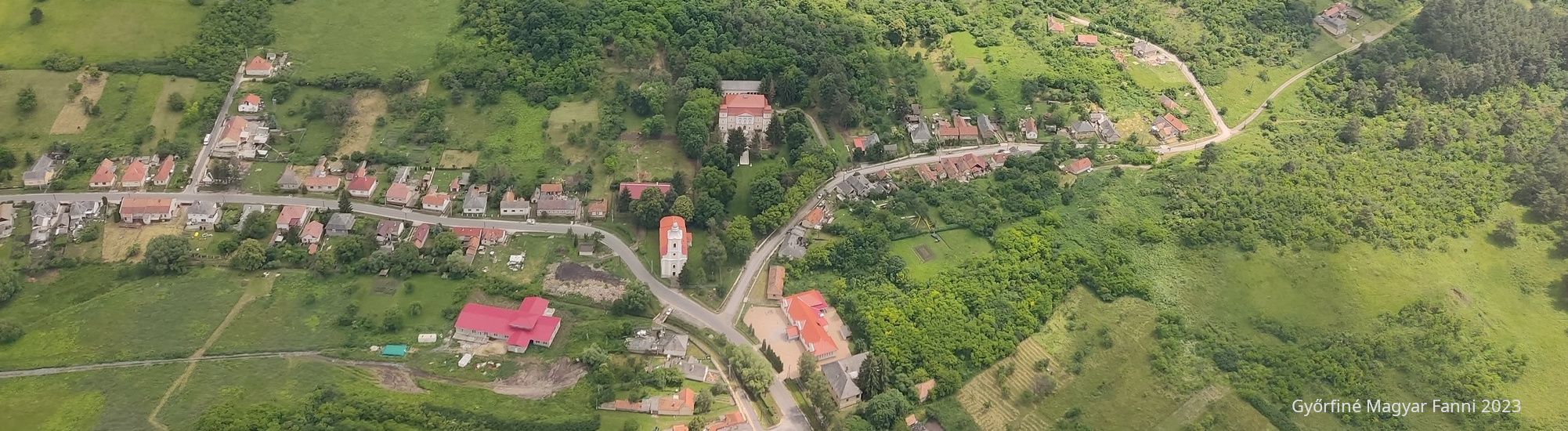
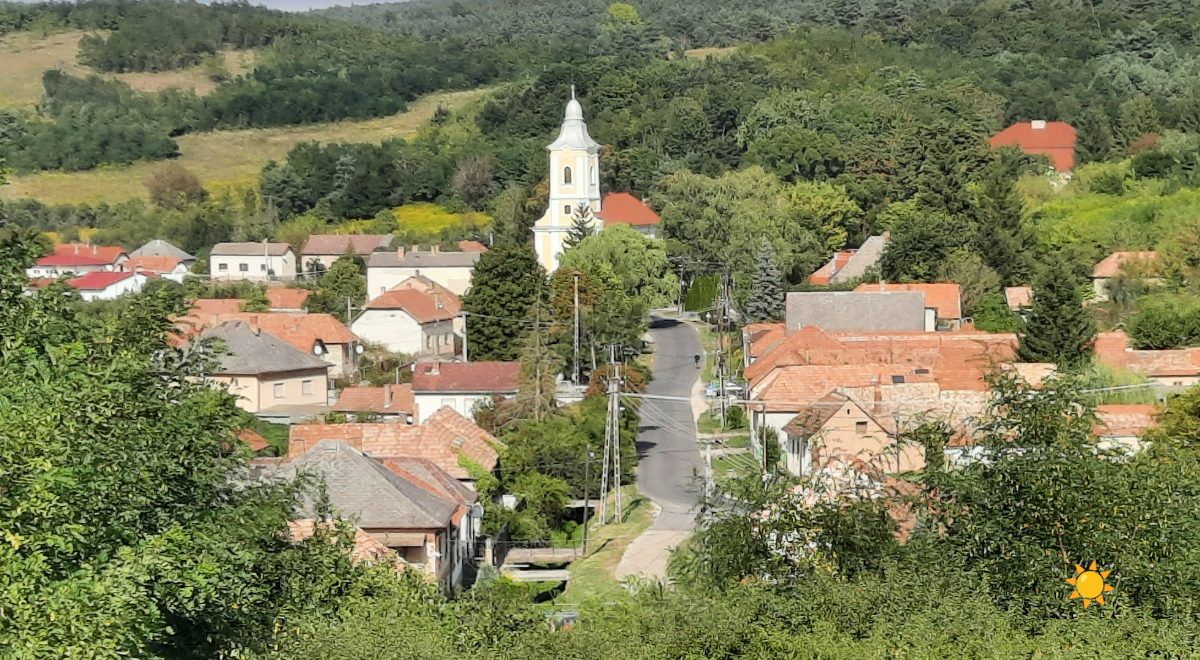
Sáta [ʃaːta] is a charming village situated in the northeastern part of Hungary. Its coordinates are 48.18485, 20.39072.
The village is nestled within the Bükk Mountains (the name means „beech,” pronounced ˈbykː), adjacent to the Lázbérc Nature Reserve. The area is surrounded by beautiful mountains, forests, and natural attractions. The nearest city is Ózd (with a population of approximately 30,000). Sáta can be reached via regional roads from Ózd, Miskolc, and Eger.

Facts and figures
About 500 families live in the village, spread across 13 streets. According to the last official census in 2020, the population was around 1,100.
Public facilities
The village is fully serviced with telephone, drinking water, natural gas, and sewage connections. Public facilities include
– the municipal building,
– kindergarten,
– medical station,
– pharmacy,
– village caretaker service,
– library,
– OTP Bank teller machine,
– post office,
– Roman Catholic church,
– sports, leisure and fitness park, and
– a police guard station.
Landmarks
Roman Catholic Church (completed in 1829) and a separate parish house (1796)
The church was completed in 1829. The building is located in the center of the village and its height (including the cross on top) is 36 meters. Have a look >>
Fay Castle (mansion)
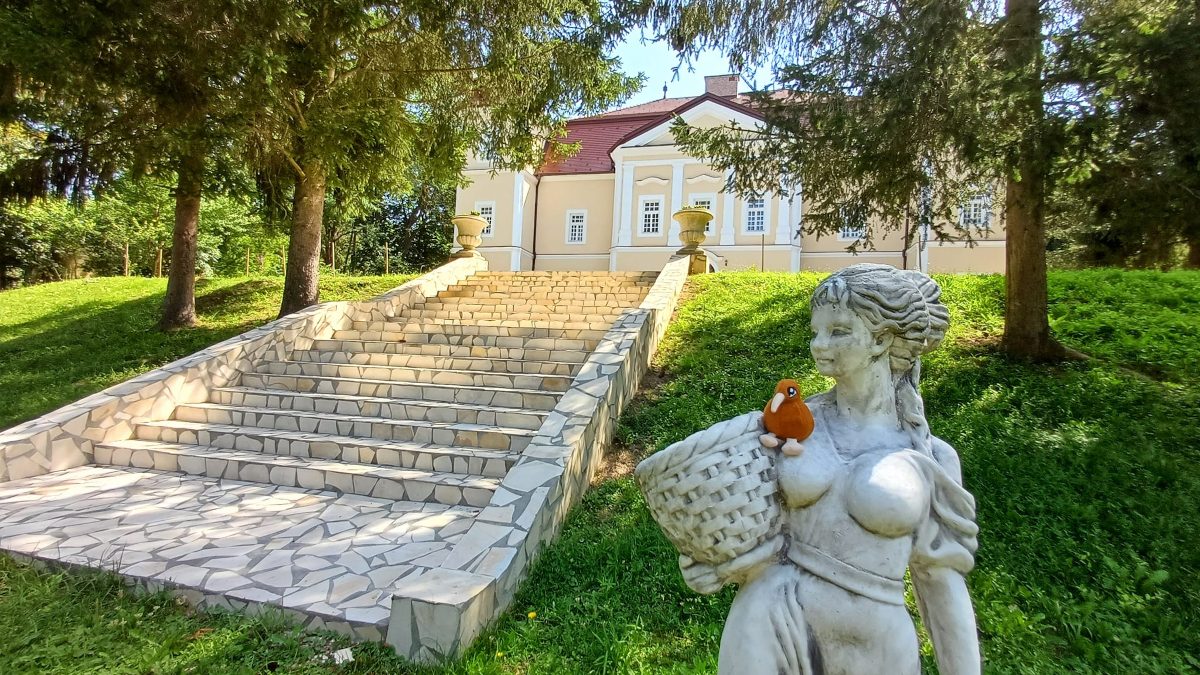
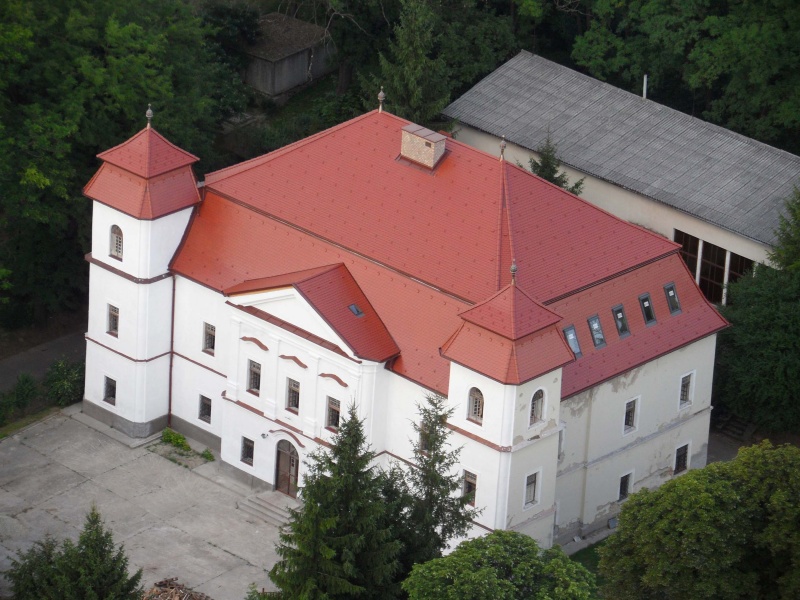
Its construction was begun in the early 1700s (~1735) and completed in 1829 by Count Fay. The building is located in the center of the village, behind the church on a hill. The castle is now private property but open to visitors.
Have a look >>
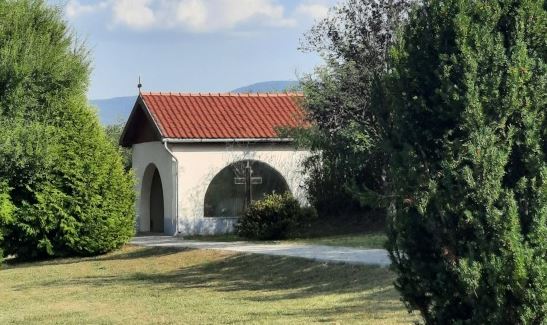
Chapel of Our Lady of Lourdes (built in 1943, rebuilt in 2009)
The chapel was built in honor of Our Lady of Lourdes, originally established in 1943 at the initiative of the local cantor and teacher, Gyula Dornbach. Over the following decades, the building deteriorated, and by the 2000s, the chapel was reduced to a ruin. In 2006, the local civil society (S-KEN) decided to rebuild the chapel. Through the collective efforts of the society, various individuals, entrepreneurs, and the Roman Catholic Church, the chapel was renovated in 2009. Since then, it has become a famous and popular pilgrimage site. The building is located on the top of a hill next to the cemetery, and from its vantage point, you can admire the magnificent view of the village. It is freely accessible, day and night, and is guarded by network cameras.
Have a look on the website >> …on FB >>
Event house Sáta
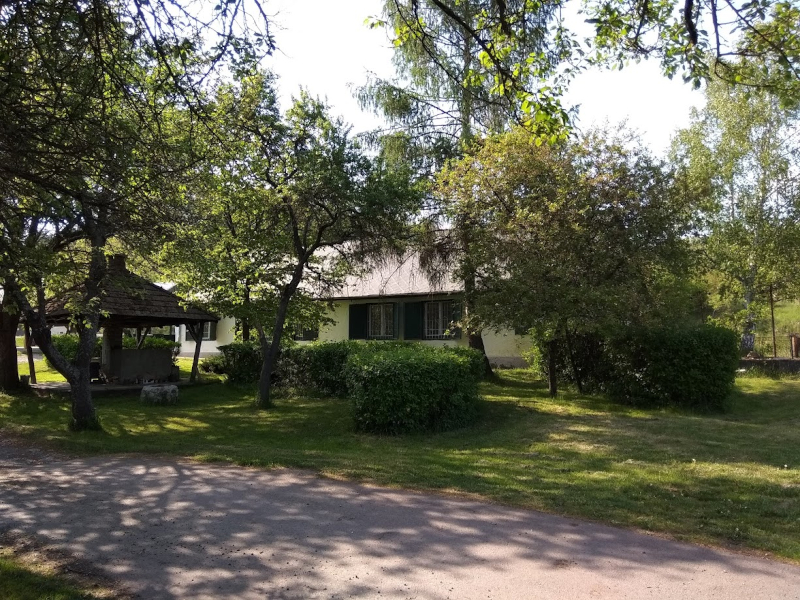
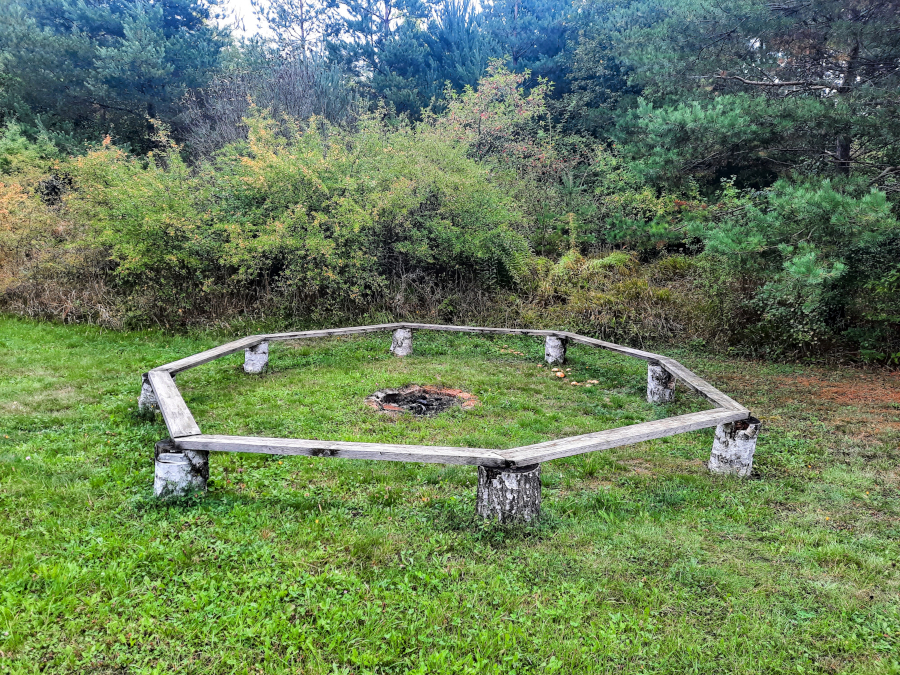
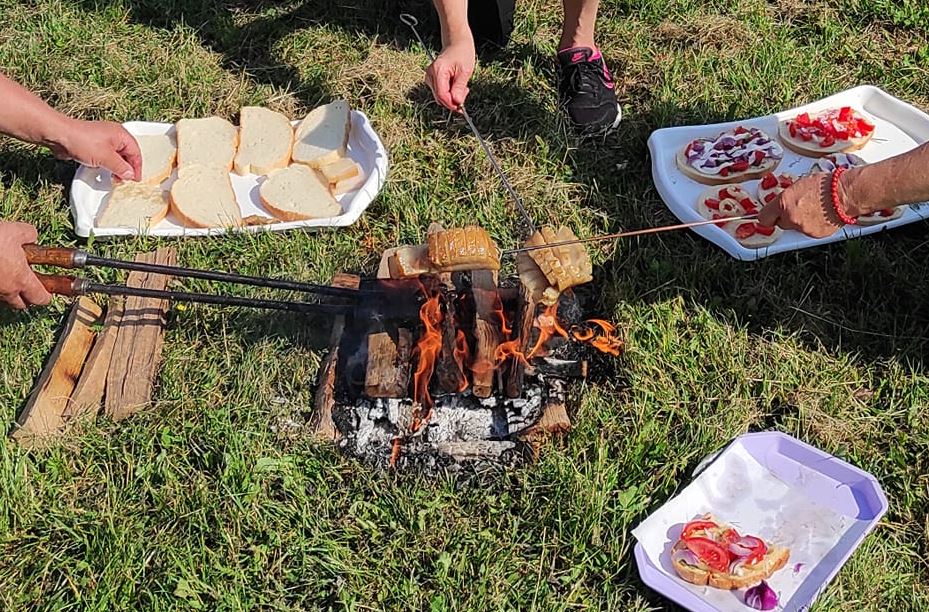
Also known as „Tourist House of Sáta”. The rest house is located next to a former farmstead, approximately 3 kilometers from the village. This fully isolated location is nestled deep in the forest, making it absolutely ideal for relaxation, friendly gatherings, parties, or special meetings. The house offers overnight accommodation for 23 people in 4 rooms. Its large hall can host a maximum of 30 people for events. Adjacent to the house, there is a covered wooden pavilion which can accommodate approximately 30-40 people. In front of the house, there is a covered outdoor fireplace, perfect for grilling (e.g. roasting bacon). Behind the building, there is also a small grass-covered football pitch. The rest house is accessible via a standard asphalt road (a dead-end route) winding through the forest hills. Where is it located? >> Let’s see photos! >>
More information can be obtained by phone from the village head office of Borsodbóta (neighboring village), mainly in Hungarian: +36 21 2333168, +36 30 9742979

Yearly cultural events and the summer festival

Important information: who aren’t we?
If you are searching for results about SATA – whether it is the bus interface or any other product or service with this name, please note that we are not what you’re looking for. Let’s clarify the abbreviation: SATA, which stands for Serial Advanced Technology Attachment, is a computer bus interface that connects host bus adapters to mass storage devices (among other things that share this name). None of these, however, apply to us. The name Sáta is originated from a historical figure from the distant past, long before the Serial Advanced Technology Attachment was invented. We are not a technical device, product, or service, but a human community, a village in Hungary, in Central Europe. Our name is Sáta ([ʃaːta]). Thank you for your understanding. ♡

Thank you for your interest. See you soon!